

During the winter months, those of us in cooler climates may be inclined to spend more time indoors as the temps drop and daylight savings comes to an end. And if you work from home, it can be even easier to stay inside and be less active (hello, Doordash and Uber Eats). But when we do this, we miss out on critical time in sunlight, which can trigger changes in the body such as reduced serotonin, vitamin D, or too much melatonin, which can affect your mood.
There are ways you can counter these feelings and boost your vitamin D, such as using “happy lights” light therapy in your space, and eating foods such as fatty fish, dark leafy greens and even dark chocolate. But don’t miss out on the feel-good benefits of getting outdoors and moving your body.
Communing with nature can help us avoid the negative moods and melancholy of the season. Research has shown that exposure to the natural environment can reduce depression and anxiety. It also keeps us active, which counters the poor health effects of sitting for long periods indoors.
If you feel sad for two weeks or more, if you find it hard to get out of bed, if you notice yourself isolating or losing interest in things you used to enjoy doing, consider talking to a therapist. Whether or not you decide to seek counseling, spending more time outdoors and in nature will support your healing. So bundle up and try these activities:
Go for a walk or hike. Take a brisk walk in your neighborhood or at a local park with hiking trails. Walking is free and has so many benefits, including getting your heartrate up and getting you outdoors and closer to nature. Tune into a Girltrek Black History Bootcamp podcast for inspiration.
Keep playing outdoor sports. Just because it’s cold out, you don’t have to stop playing sports you enjoy like basketball, tennis or throwing a football. Make it a family outing or join a local team. The activity will warm you up and the camaraderie will boost your mood.
Bask in sunlight. Even though there are fewer daylight hours, be sure to soak up some rays when you can. Step outside for a few minutes in the morning, during your lunch break or at the end of the day to experience the warmth and beauty of sunlight. You may even catch a lovely sunset.
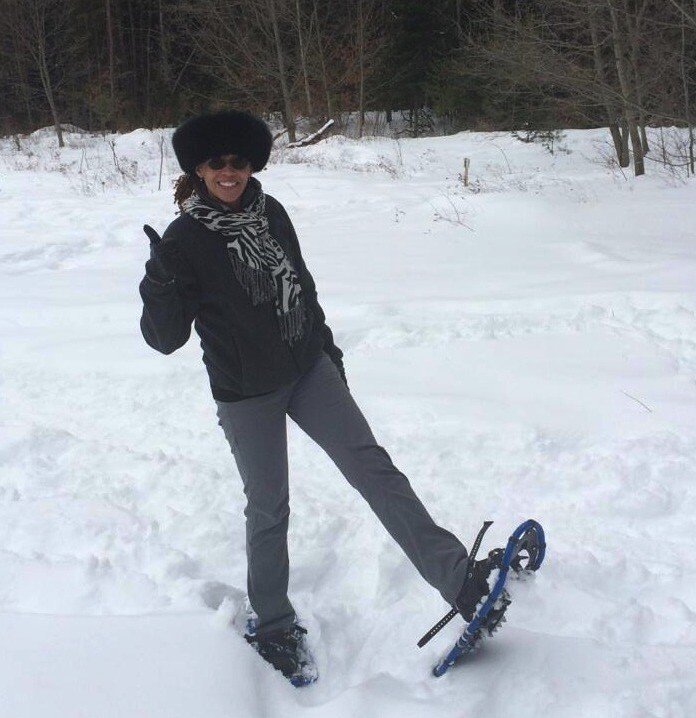
Having fun in the snow.
Enjoy the snow. Even if you’re not a winter sports fan, you can still get a good workout in the snow. Try cross country skiing or snowshoeing, which is something I love to do. You’ll work up a sweat even when it’s cold. If you have kids, take them ice skating or sledding. Build a snowman together or surprise them with a snowball fight. You might just reconnect with the child in you.
Visit a local zoo, botanical garden or state park. These spots, which are often open year-round, get you up close to animals and greenery, and provide ideal scenery for a long walk.
Plan a trip. If you’re able, plan a weekend (or longer) escape to a warmer destination or one that puts you squarely in nature, like a mountain cabin or ski lodge. There may be opportunities like winter camping or ice fishing. A winter getaway may be just what you need to change your perspective.
Try a new outdoor hobby. Bird watching or outdoor photography can get you outside and give you a new skill that builds confidence and joy. Do a little research to find a local club or tour that you can join.
Volunteer outside. Is there a cause you feel strongly about? There may be an opportunity to support a local charity by signing up for a fundraising walk or run, or helping to clean up a local park or support a nature preserve. Helping others feels good and prevents soul-crushing isolation.
Another way to counter the blues and nurture your spirit is to take some time to journal. For seasonal inspiration, consider Winter Poem, a short and sweet glimpse of experiencing the wonders of winter, by Nikki Giovanni. Once you’ve read it, write to one of these prompts: 1) This poem explores seasonal transitions. What transitions are you exploring in your own life? How are they connected with the seasonal shift? 2) Like kissing snowflakes, list 5-10 ways you can embrace the change in seasons. 3) What phrase or line resonates most with you, and why? You can even do your writing outside.
Attend my monthly writing series to banish the blues
Click here to join Writing and Lighting the Way: Self-Care for Seasonal Blues.

Join my writing group to overcome the winter blues.
This monthly writing series that runs all winter until March will lift spirits that might dip when the temperature drops and the nights grow long. Using literature and lyrics, we'll explore seasonal sadness and holistic ways to welcome winter and thrive as the seasons change. First Saturday of the month for four months, starting Dec. 3. (Bring: something to write with (notepad, journal, your computer). No writing experience necessary.)
